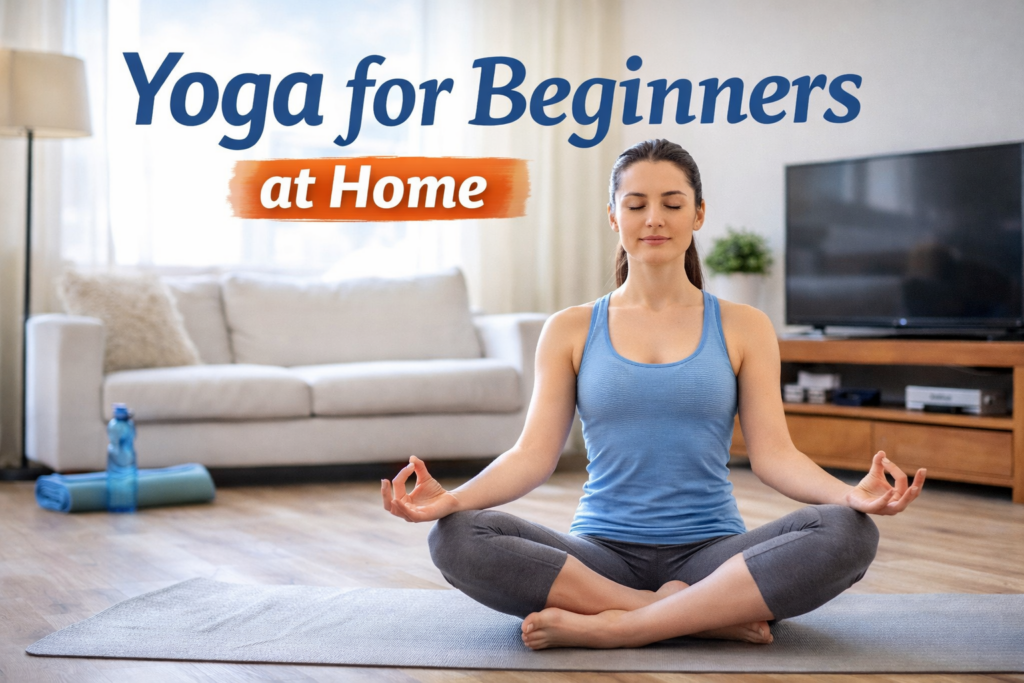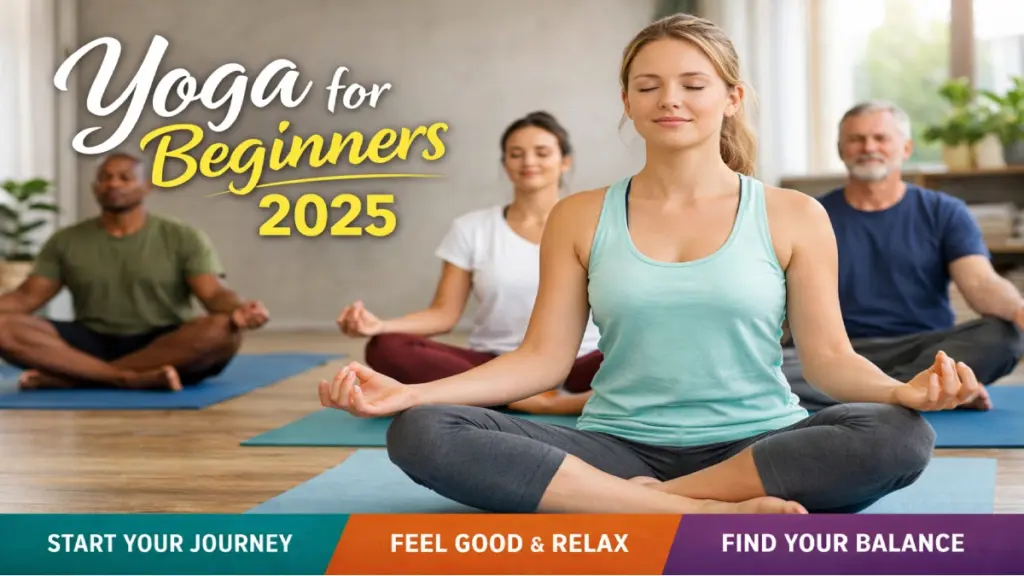
For many people, yoga looks complicated from the outside. Social media and advertisements often show extreme poses, perfect bodies, and advanced stretches that feel impossible for beginners. Because of this, many assume yoga is only for flexible athletes or experienced practitioners. In reality, yoga is much simpler and far more practical than it appears. It is not about twisting your body into difficult shapes or mastering complex movements. It is about learning how to move gently, breathe deeply, and pay attention to how your body feels.
That is why Yoga for Everyday Life has become so popular in recent years. Modern life is fast, stressful, and physically inactive. Most of us spend hours sitting at desks, looking at screens, and carrying tension in our shoulders and back. Yoga offers a natural way to release that tension, improve posture, and calm the mind at the same time. You don’t need special skills or expensive equipment. A small space at home and a few minutes each day are enough to begin your journey with yoga.
What Yoga Really Means in Daily Life
At its core, yoga is simply the connection between body, breath, and awareness. When you slow down your movements and focus on breathing, your nervous system starts to relax. Your heart rate becomes steady, your muscles loosen, and your thoughts feel less chaotic. Instead of constantly worrying about the next task or replaying yesterday’s problems, you become more present.
This present-moment awareness is what makes yoga different from other forms of exercise. While gym workouts often focus only on burning calories or building muscle, yoga trains both the body and the mind together. After a session, you don’t just feel physically tired; you feel mentally lighter and emotionally balanced. Many people continue practicing yoga for this reason alone.
Physical Benefits of Regular Yoga Practice
One of the first things people notice after starting yoga is improved flexibility. Tight muscles caused by sitting for long hours gradually begin to loosen. Everyday movements such as bending, reaching, or walking feel easier. Over time, this increased mobility reduces stiffness and helps prevent injuries.
Yoga also builds strength in a subtle but effective way. Holding poses like plank, warrior, or chair pose engages multiple muscle groups at once. Instead of lifting heavy weights, you use your own body weight to develop balanced strength throughout the body. This strengthens your core, supports your spine, and improves stability.
Another major benefit is better posture. Poor posture is extremely common today, especially among people who work on computers. Slouching puts pressure on the neck and lower back, leading to chronic pain. Yoga teaches proper alignment and body awareness, which naturally corrects posture without forcing it. As a result, many people experience relief from back pain, neck stiffness, and shoulder tension within just a few weeks.
Mental and Emotional Benefits
While the physical changes are noticeable, the mental benefits of yoga are often even more powerful. Breathing exercises used in yoga activate the parasympathetic nervous system, which is responsible for relaxation. This lowers stress hormones and reduces anxiety levels. After practice, the mind feels calmer and clearer.
Regular yoga can also improve sleep quality. When the body is relaxed and the mind is not overloaded with stress, falling asleep becomes easier. Many practitioners report waking up feeling more refreshed and energetic. Better sleep then leads to improved mood, concentration, and productivity during the day.
Over time, yoga helps you respond to situations more calmly instead of reacting emotionally. Small problems feel manageable, and daily stress doesn’t feel overwhelming. This emotional balance is one of the reasons yoga is often recommended by therapists and health professionals.
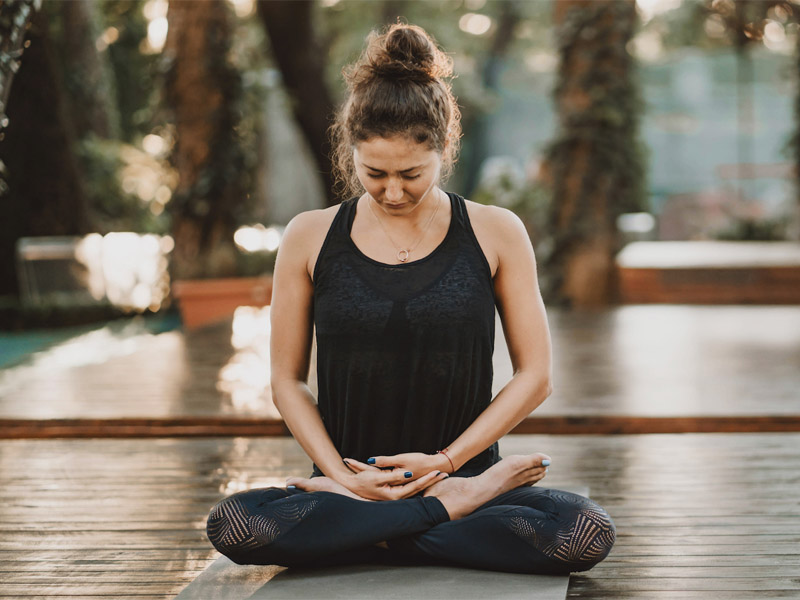
A Simple Beginner Yoga Routine at Home
Starting yoga doesn’t have to be complicated. A short and gentle routine is more than enough in the beginning. You can start with light stretches for the neck and shoulders to release tension. Follow this with basic poses such as cat–cow for the spine, downward dog for full-body stretching, and child’s pose for relaxation. Add a few standing poses like warrior to build strength and balance. Finish by lying down quietly for a few minutes while focusing on slow breathing.
Read More: Senior Fitness Guide: Best Exercises for People Over 60
This entire routine can be completed in fifteen to twenty minutes. Practicing daily, even for a short time, is far more effective than doing long sessions occasionally. Consistency helps your body adapt gradually and safely
Making Yoga a Habit
The key to long-term results is treating yoga as part of your lifestyle rather than a workout you occasionally force yourself to do. Some people prefer practicing in the morning to feel energized for the day, while others enjoy evening sessions to unwind before bed. There is no perfect time. The best time is simply the one you can maintain regularly.
You don’t need a perfect setup every day. Even five or ten minutes of mindful stretching during a busy schedule still counts. Small efforts add up quickly, and over weeks and months, the benefits become very noticeable.
Common Beginner Mistakes
Many beginners compare themselves to others and feel discouraged. It’s important to remember that yoga is a personal practice, not a competition. Everyone’s body is different. Progress happens at your own pace.
Another common mistake is pushing too hard. Stretching should feel gentle, not painful. Forcing your body can cause injuries. Listening to your limits is always better than trying to copy advanced poses.
Finally, don’t forget to breathe. Smooth, steady breathing is what makes yoga effective. Without it, poses become simple exercises instead of a mindful practice.
Conclusion
Yoga is not about perfection or performance. It is a simple, practical habit that helps you feel better physically and mentally. With regular practice, your body becomes stronger and more flexible, your posture improves, and your mind feels calmer. In a world that constantly demands attention and energy, yoga gives you a chance to slow down and reconnect with yourself.
All you really need is a small space, comfortable clothes, and a few quiet minutes each day. Start gently, stay consistent, and let the benefits grow naturally over time.
FAQ
Is yoga suitable for beginners?
Yes, yoga is beginner-friendly and can be adjusted to any fitness level.
How long should I practice daily?
Fifteen to twenty minutes daily is enough for noticeable benefits.
Can yoga help reduce stress?
Yes, breathing techniques and slow movements naturally calm the nervous system.
Do I need equipment?
No. A simple mat or soft floor space is sufficient.
When will I see results?
Most people feel mental relaxation immediately and physical improvements within a few weeks.